
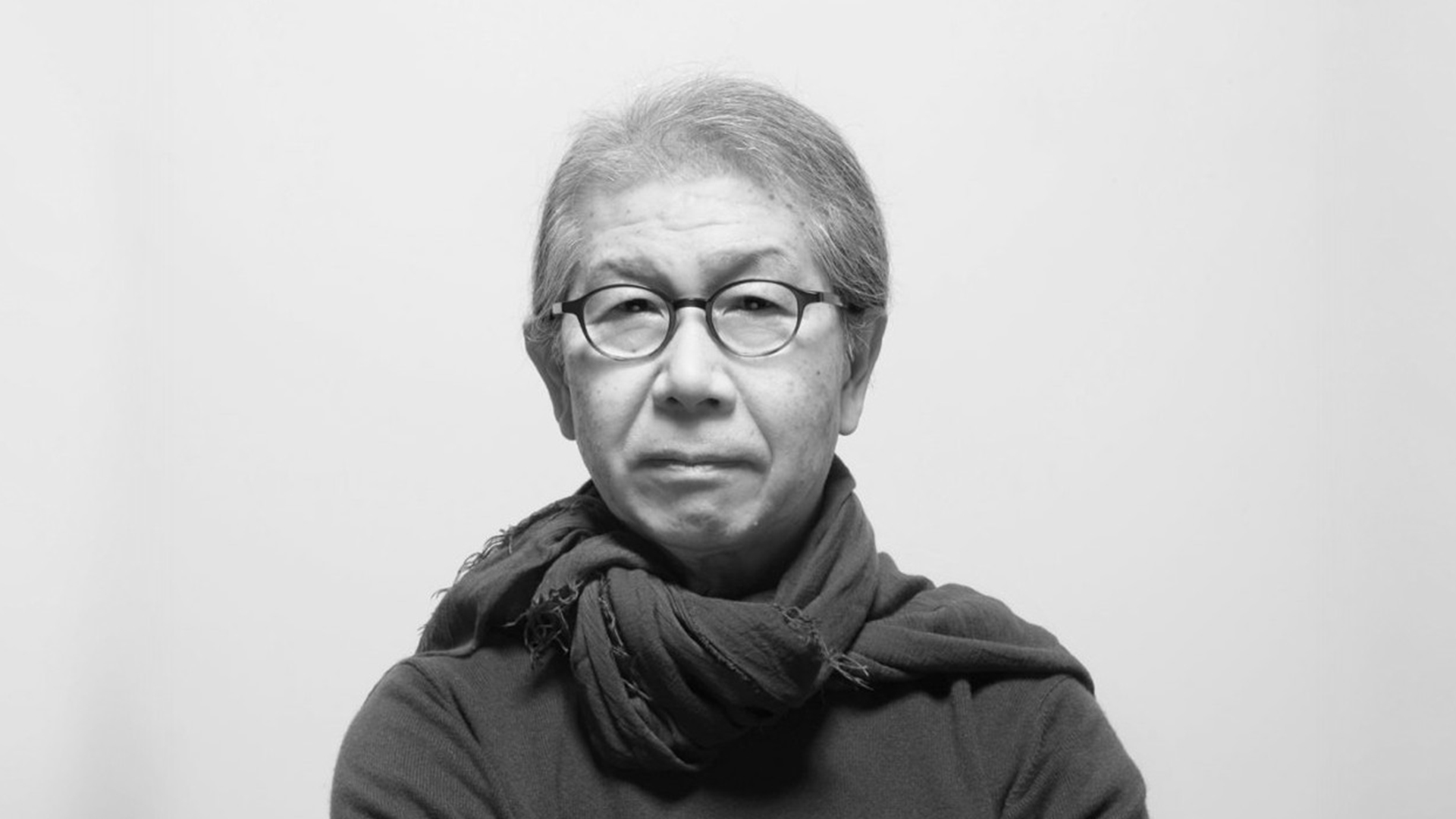
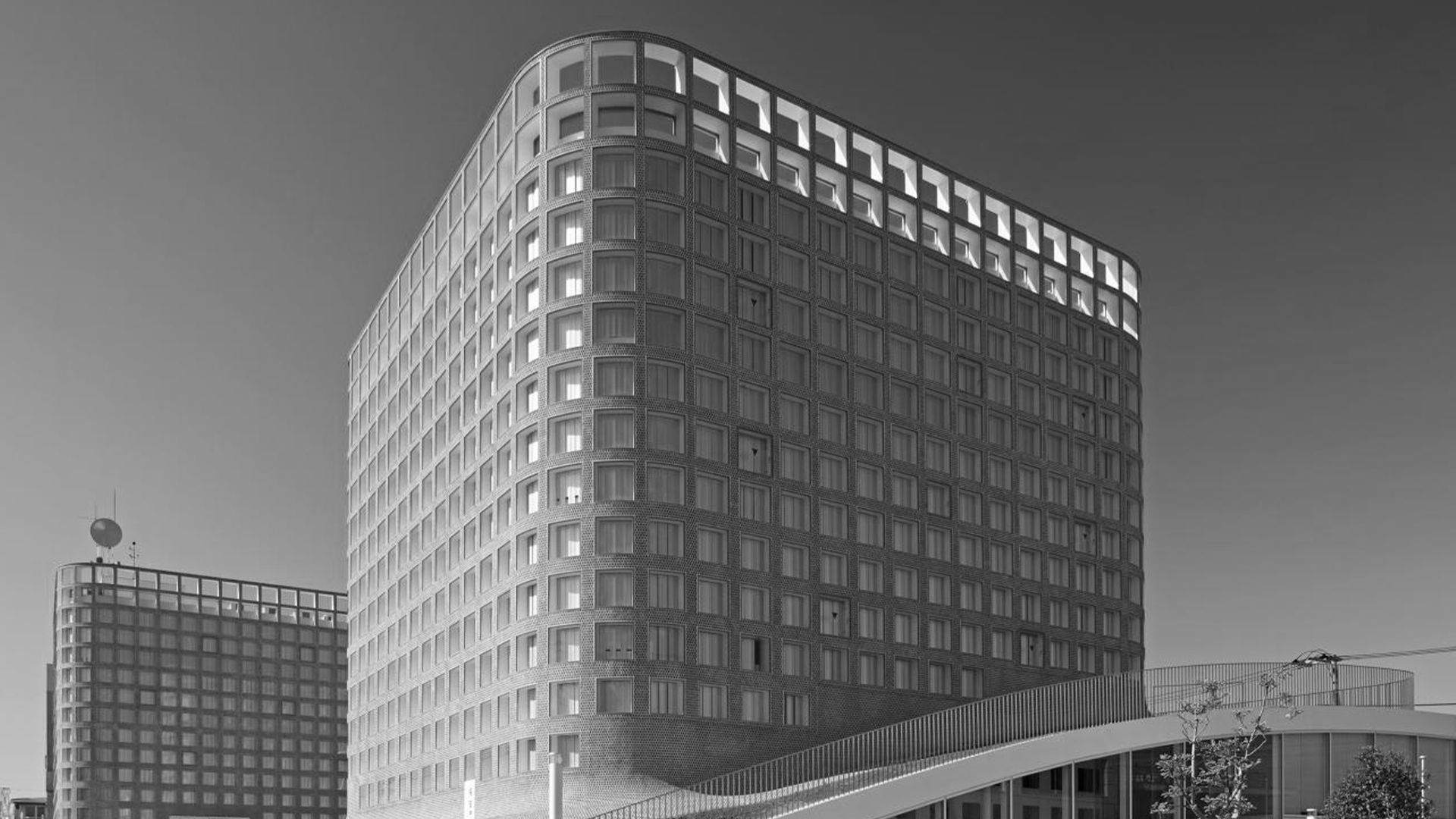
ریکن یاماموتو
ترجمه این متن توسط محمدامین ظهیرنیا دانشجوی کارشناسی معماری صورت گرفته است.
(فارسی)
بیوگرافی
یاماموتو یک زبان معماری تازه توسعه میدهد که نهتنها فضاهایی برای زندگی خانوادهها ایجاد میکند، بلکه جوامعی میسازد که خانوادهها بتوانند در کنار هم زندگی کنند
معمار ژاپنی ریکن یاماموتو (متولد ۱۹۴۵) در پکن، جمهوری خلق چین به دنیا آمد و اندکی پس از پایان جنگ جهانی دوم به یوکوهاما، ژاپن نقل مکان کرد. او از دوران کودکی میان بُعد عمومی و خصوصی زندگی تعادل برقرار میکرد و در خانهای زندگی میکرد که بر اساس ماچیا (خانه سنتی ژاپنی) ساخته شده بود؛ داروخانه مادرش در بخش جلویی خانه قرار داشت و فضای زندگی خانواده در بخش پشتی.
او میگوید: «آستانه یک سمت خانه برای خانواده بود و سمت دیگر برای جامعه. من در میان آن دو مینشستم.»
یاماموتو چیز زیادی از پدرش نمیدانست؛ پدری که زمانی که او تنها پنج سال داشت، درگذشت. او تا حدی تلاش داشت مسیر شغلی پدرش را که مهندس بود دنبال کند، اما در نهایت راه خود را در معماری پیدا کرد. در سن ۱۷ سالگی، او از معبد کوفوکو-جی در نارا، ژاپن بازدید کرد؛ معبدی که در اصل در سال ۷۳۰ ساخته شده و نهایتاً در سال ۱۴۲۶ بازسازی شده بود. او مجذوب پاگودای پنجطبقه شد که نماد پنج عنصر بودایی خاک، آب، آتش، هوا و فضا است.او میگوید: «خیلی تاریک بود، اما میتوانستم برج چوبی را که با نور ماه روشن شده بود ببینم و آن لحظه، نخستین تجربهام با معماری بود.»
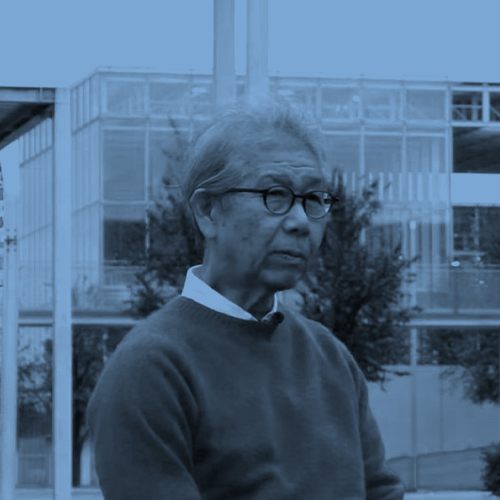
او در سال ۱۹۶۸ از دانشگاه نیهون، دانشکده علوم و فناوری، گروه معماری فارغالتحصیل شد و در سال ۱۹۷۱ کارشناسی ارشد هنر در معماری را از دانشگاه هنرهای توکیو، دانشکده معماری دریافت کرد. وی در سال ۱۹۷۳ دفتر معماری خود با نام Riken Yamamoto & Field Shop را بنیان گذاشت.
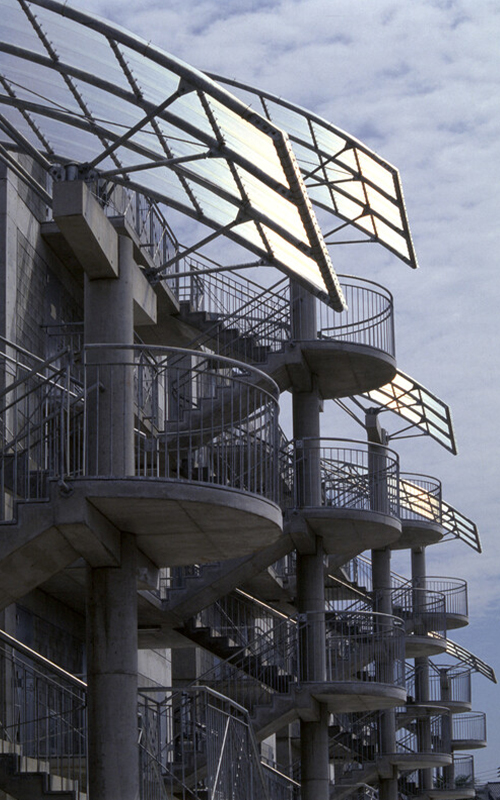
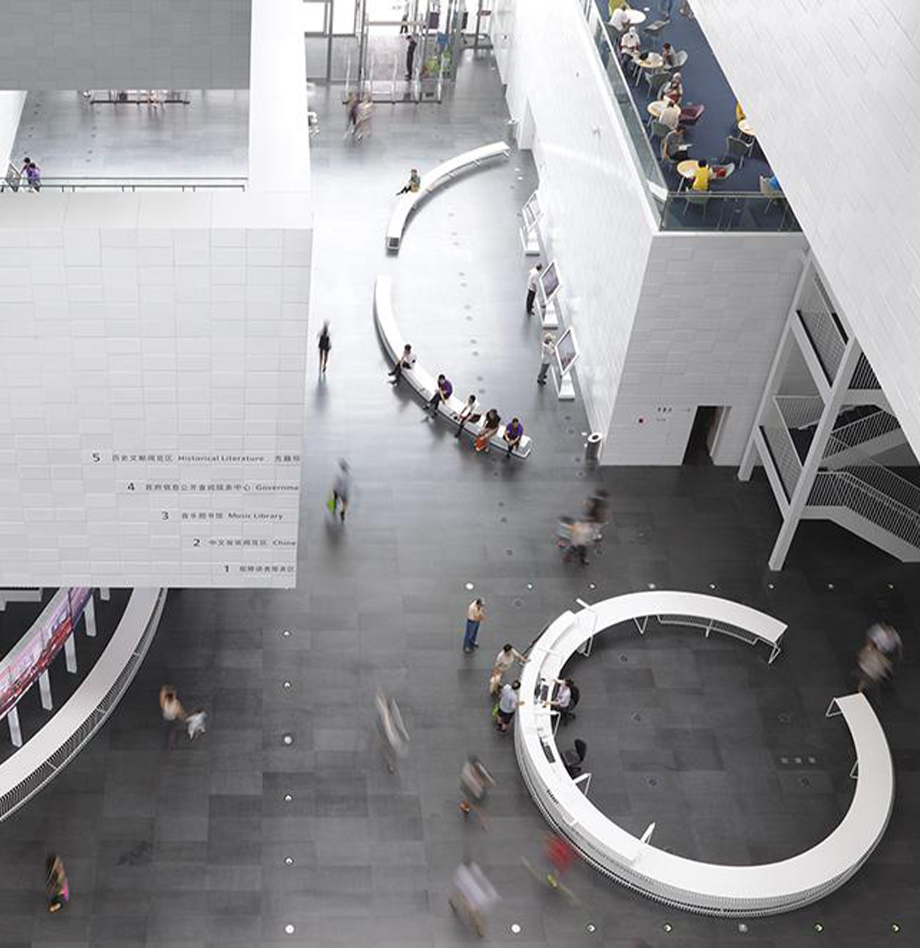
شفافیت چه در فرم، چه در مصالح و چه در فلسفه همواره عنصری اساسی در آثار او باقی مانده است. او رویکردی در برنامهریزی شهری بنیان گذاشت که «تکامل» را بهعنوان ویژگی حیاتی در توسعه ریوکوئن-توشی )شهر بینتقاطع، یوکوهاما، ژاپن، ۱۹۹۴) نشان میداد. صرفنظر از هویت یا کارکرد یک ساختمان، قانونی وضع شده بود که همه بناها باید امکان عبور از محوطه خود را فراهم کنند تا قطعات زمین مجاور به هم پیوند خورده و مالکان همسایه متحد شوند. او با تطبیق زبان معماری خود در پروژههایی چون دانشگاه دولتی استان سایتاما (کوشیگایا، ژاپن، ۱۹۹۹) و کتابخانه تیانجین (تیانجین، جمهوری خلق چین، ۲۰۱۲)، همچنان به ایجاد فضاهای اجتماعی در ساختمانهای بزرگ ادامه داد و تواناییاش در مقیاسهای متفاوت را به نمایش گذاشت.
آثار او گسترهای وسیعتر یافت از خانههای خصوصی تا مسکن عمومی، از مدارس ابتدایی تا ساختمانهای دانشگاهی، و از مؤسسات تا فضاهای مدنی هنگامی که در سال ۲۰۱۱، فاجعه طبیعی ژاپن را ویران کرد. در پی زلزله و سونامی توهوکو، او آزمایشگاه جمهوری منطقهای محلی (Local Area Republic Labo) را بنیان گذاشت؛ مؤسسهای که به فعالیتهای اجتماعی از طریق طراحی معماری اختصاص دارد. او همچنین در سال ۲۰۱۸ جایزه جمهوری محلی (Local Republic Award) را برای تجلیل از معماران جوانی که با شجاعت و آرمان به سوی آینده گام برمیدارند، بنیان گذاشت.
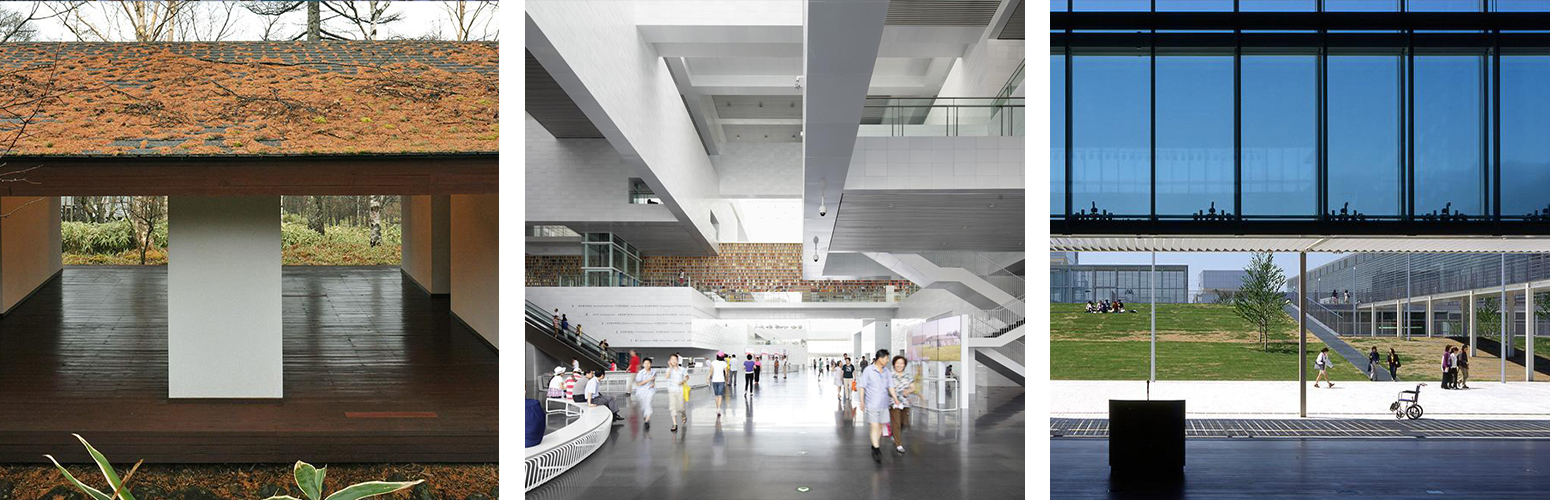
یاماموتو در حال حاضر بهتازگی بهعنوان استاد مدعو دانشگاه کاناگاوا (یوکوهاما، ژاپن) منصوب شده است. او پیشتر استاد مدعو دانشگاه هنرهای توکیو (توکیو، ژاپن، ۲۰۲۲ تا ۲۰۲۴) بوده و همچنین در دانشگاه نیهون، دانشکده تحصیلات تکمیلی مهندسی (توکیو، ژاپن، ۲۰۱۱ تا ۲۰۱۳)؛ دانشگاه ملی یوکوهاما، دانشکده تحصیلات تکمیلی معماری (یوکوهاما، ژاپن، ۲۰۰۷ تا ۲۰۱۱)؛ دانشگاه کوگاگوئین، گروه معماری (توکیو، ژاپن، ۲۰۰۲ تا ۲۰۰۷) تدریس کرده و بین سالهای ۲۰۱۸ تا ۲۰۲۲ ریاست دانشگاه هنر و طراحی ناگویا زوکهای (ناگویا، ژاپن) را بر عهده داشته است.
در نخستین سالهای حرفهای خود، این معمار بهطور خودانگیخته همراه با استادش هیروشی هارا با خودرو به سفرهایی در میان کشورها و قارهها پرداخت و ماهها را در جستجوی شناخت جوامع، فرهنگها و تمدنها سپری کرد. در سال ۱۹۷۲، او در امتداد خط ساحلی دریای مدیترانه رانندگی کرد و از فرانسه، اسپانیا، مراکش، الجزایر، تونس، ایتالیا، یونان و ترکیه بازدید نمود. دو سال بعد، از لسآنجلس به مکزیک، گواتمالا، کاستاریکا و کلمبیا سفر کرد و در نهایت به پرو رسید. او همچنین به سفری مشابه به عراق، هند و نپال رفت و در پایان به این نتیجه رسید که مفهوم «آستانه» میان فضاهای عمومی و خصوصی، مفهومی جهانی است.
او میگوید: «درک میکنم که نظام معماری گذشته به ما کمک میکند تا فرهنگ خود را بیابیم… روستاها از نظر ظاهر متفاوت بودند، اما جهانشان بسیار شبیه هم بود».
یاماموتو مرزهای میان عرصههای عمومی و خصوصی را بهعنوان فرصتی اجتماعی بازنگری کرد و به این باور پایبند ماند که همه فضاها میتوانند در جهت غنیسازی و خدمت به کل جامعه، و نه فقط ساکنان آن، ایفای نقش کنند.
با این نگاه، او شروع به طراحی خانههای تکخانوارهای کرد که محیط طبیعی و محیط ساختهشده را در هم میآمیختند و هم برای میهمانان و هم برای رهگذران، خوشامدگو بودند. نخستین پروژه او، ویلای یاماکاوا (ناگانو، ژاپن، ۱۹۷۷)، در میان جنگل و در معرض دید از همه جهات قرار داشت و بهگونهای طراحی شده بود که کاملاً حس یک تراس روباز را القا کند. این تجربه تأثیری چشمگیر بر آثار بعدی او گذاشت، چنانکه با پروژه مسکن هوتاکوبو (کوماموتو، ژاپن، ۱۹۹۱) به حوزه مسکن اجتماعی وارد شد و با ایجاد زیستجمعی، فرهنگها و نسلها را به هم پیوند زد.
او در سال ۲۰۱۳ از سوی آکادمی بینالمللی معماری بهعنوان عضو آکادمی Academician منصوب شد و در طول حرفه خود افتخارات بسیاری دریافت کرده است که از آن جمله میتوان به جایزه مؤسسه معماران ژاپن برای موزه هنر یوکوسوکا )۲۰۱۰( ، جایزه ساختمانهای عمومی) ۲۰۰۴ و ۲۰۰۶( , جایزه طلایی طراحی خوب۲۰۰۴ و ۲۰۰۵،جایزه مؤسسه معماری ژاپن) ۱۹۸۸ و ۲۰۰۲( ,جایزه آکادمی هنر ژاپن) ۲۰۰۱ ( و جوایز هنر ماینیچی )۱۹۹۸ (اشاره کرد.
یاماموتو همچنان در یوکوهاما به کار و زندگی ادامه میدهد و در کنار همسایگانش جامعهای فعال را شکل میدهد. آثار ساختهشده او را میتوان در سراسر ژاپن، جمهوری خلق چین، جمهوری کره و سوئیس یافت.
اطلاعیه
شیکاگو، ایلینوی (۵ مارس ۲۰۲۴) – جایزه معماری پریتزکر اعلام میکند که ریکن یاماموتو، از یوکوهاما، ژاپن، بهعنوان برگزیده سال ۲۰۲۴ این جایزه معرفی شده است؛ جایزهای که در سطح بینالمللی بهعنوان عالیترین افتخار در حوزه معماری شناخته میشود.
یاماموتو، معمار و کنشگر اجتماعی، پیوندی میان عرصههای عمومی و خصوصی برقرار میکند و با وجود تنوع در هویتها، اقتصادها، سیاستها، زیرساختها و نظامهای مسکن، جوامعی هماهنگ و همدل را الهام میبخشد. او عمیقاً به حفظ حیات اجتماعی جامعه پایبند است و بر این باور است که ارزش «حریم خصوصی» به یک حساسیت شهری بدل شده است، در حالی که در واقع، اعضای یک جامعه باید پشتیبان یکدیگر باشند. او «جامعه» را بهعنوان «حس بهاشتراکگذاری یک فضا» تعریف میکند و با تحلیل و بازاندیشی در مفاهیم سنتی آزادی و حریم خصوصی، شرایط دیرپایی را رد میکند که مسکن را به کالایی بدون ارتباط با همسایگان تقلیل دادهاند. در مقابل، او با ظرافت، فرهنگها، تاریخها و شهروندان چندنسلی را به هم پیوند میدهد و با انطباق دادن تأثیرات بینالمللی و معماری مدرنیستی با نیازهای آینده، امکان شکوفایی زندگی را فراهم میکند.
او بیان میکند: «برای من، شناخت فضا، به معنای شناخت یک جامعه کامل است. رویکرد معماری امروز بر حریم خصوصی تأکید میکند و ضرورت روابط اجتماعی را نادیده میگیرد. با این حال، همچنان میتوانیم آزادی هر فرد را پاس بداریم و در عین حال در فضایی معماریشده، چونان یک جمهوری، در کنار یکدیگر زندگی کنیم و هماهنگی میان فرهنگها و مراحل گوناگون زندگی را پرورش دهیم.»
شورای داوری جایزه ۲۰۲۴، در بخشی از بیانیه خود اعلام کرده است که او، به دلیل «ایجاد آگاهی در جامعه نسبت به مسئولیت تقاضای اجتماعی، به دلیل به چالش کشیدن رشتهی معماری برای تنظیم پاسخهای معماری متناسب با هر فرد، و مهمتر از همه، برای یادآوری این نکته که در معماری، همانند دموکراسی، فضاها باید با ارادهی مردم شکل بگیرند» برگزیده شده است.
با بازنگری مرز بهعنوان یک فضا، او آستانهی میان زندگی عمومی و خصوصی را فعال میکند و با هر پروژه ارزشی اجتماعی به دست میآورد؛ زیرا هر یک سرشار از مکانهایی برای تعامل و برخوردهای اتفاقی است. آثار ساختهشدهی کوچک و بزرگ او، بهطور یکسان ویژگیهای استادانهی فضاها را به نمایش میگذارند و تمرکز را بر زندگیای قرار میدهند که هر کدام در بر میگیرند. شفافیت بهکار گرفته میشود تا کسانی که درون فضا هستند، محیطی را که فراتر قرار دارد تجربه کنند و کسانی که از آن عبور میکنند، حس تعلق پیدا کنند. او تداومی پیوسته در منظر ارائه میدهد و با طراحی در گفتوگو با محیطهای طبیعی و ساختهشدهی پیشین، تجربه هر ساختمان را در بستر خود معنا میبخشد.
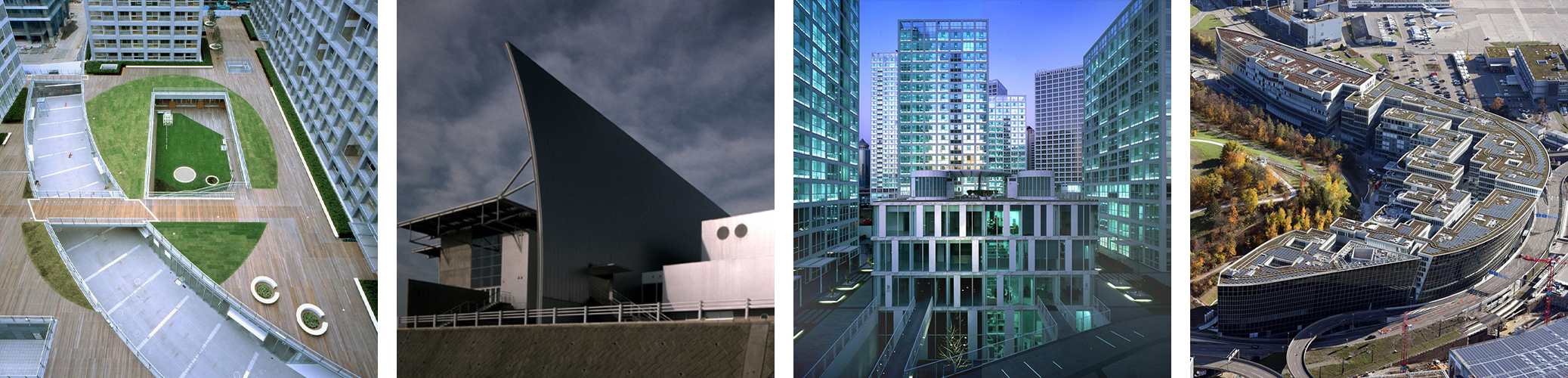
او تأثیراتی را از ماچیا سنتی ژاپنی و خانههای اویکوس یونانی که در ارتباط با شهرها وجود داشتند، و زمانی که پیوستگی و بازرگانی برای پویایی هر خانواده ضروری بود، تکامل داده است. او خانه ی شخصی خود را با نام گازبو (یوکوهاما، ژاپن، ۱۹۸۶) طراحی کرد تا تعامل با همسایگان از طریق تراسها و بامها را برانگیزد. خانه ایشی (کاوازاکی، ژاپن، ۱۹۷۸)، که برای دو هنرمند ساخته شد، دارای اتاقی شبیه پاویون است که به فضای بیرون امتداد یافته و بهعنوان صحنهای برای برگزاری اجراها عمل میکند، در حالی که فضاهای سکونتی در زیر آن جای گرفتهاند.
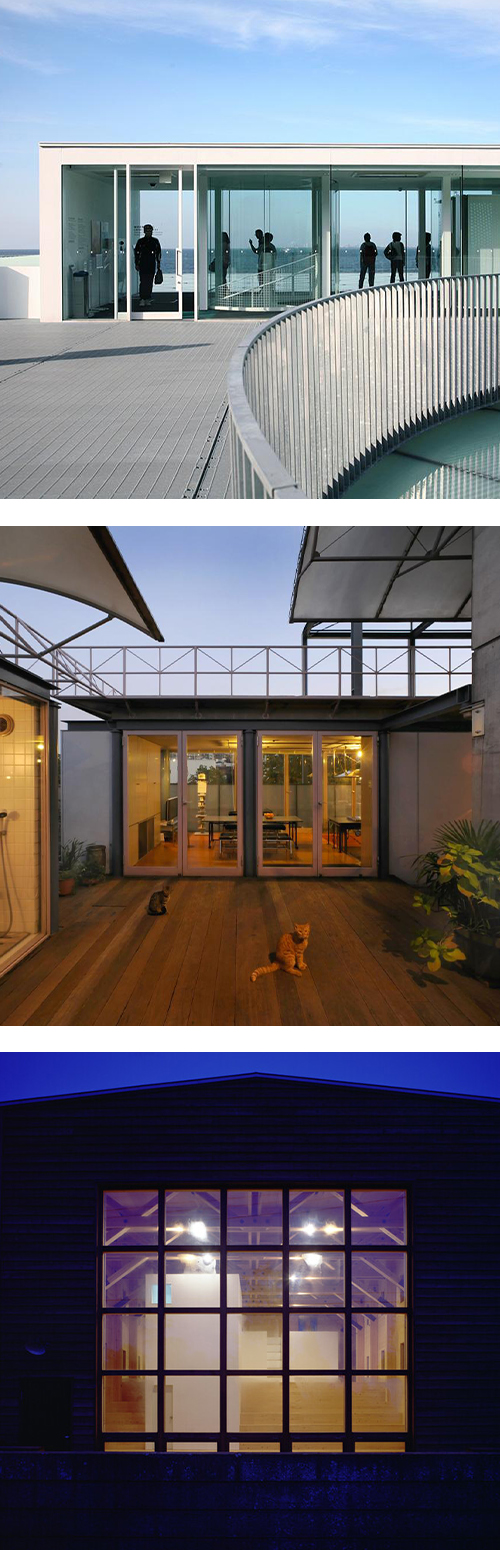
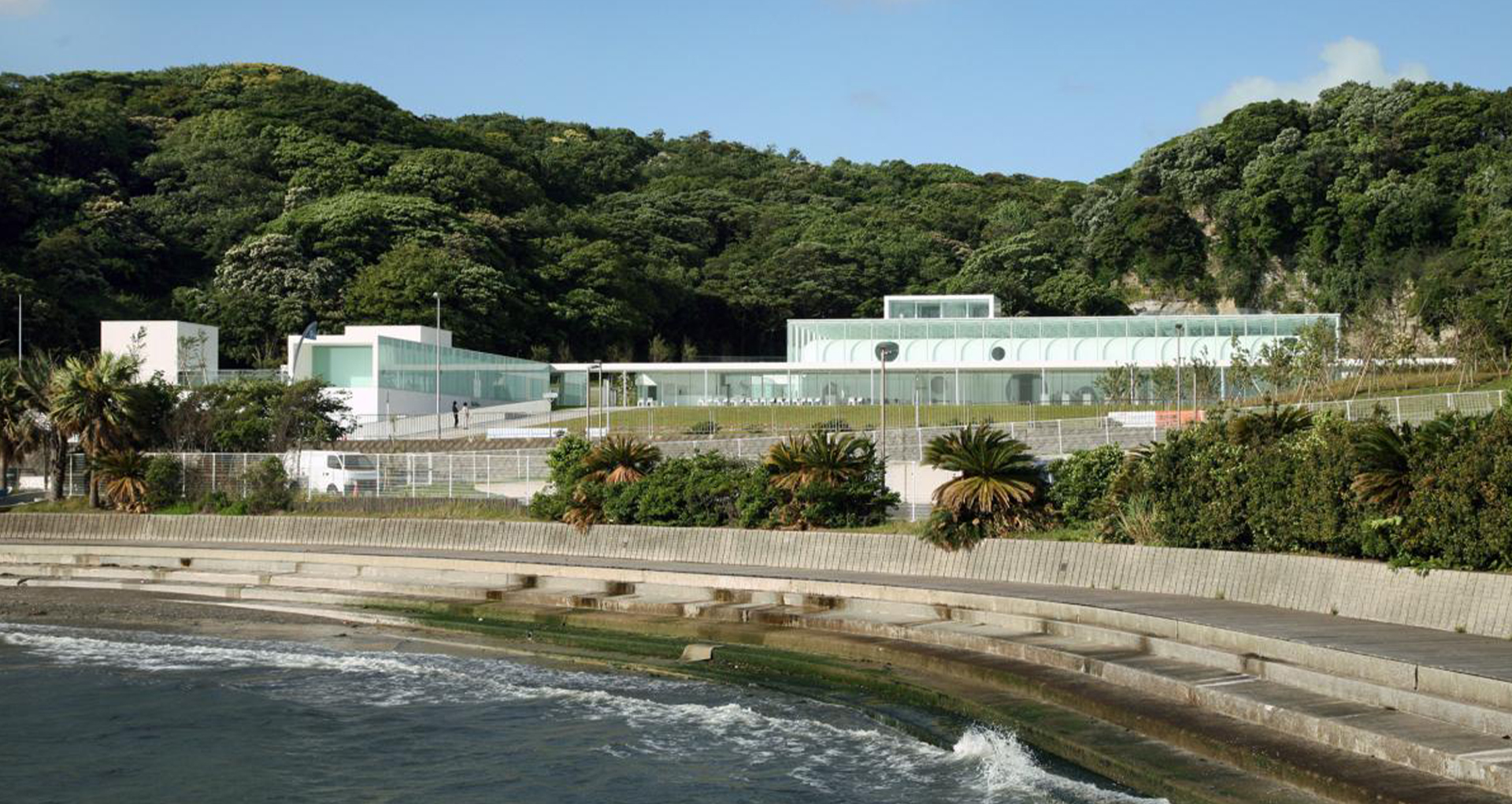
او تجربه کاربر را در اولویت قرار میدهد و موزه هنر یوکوسوکا (یوکوسوکا، ژاپن، ۲۰۰۶) را هم بهعنوان مقصدی برای مسافران و هم بهعنوان مکانی برای آرامش روزمره ساکنان محلی طراحی کرده است. ورودی مارپیچ و خوشامدگو، یادآور خلیج توکیو و کوههای اطراف است، در حالی که بسیاری از گالریها در زیرزمین قرار دارند تا برای افرادی که به موزه نزدیک میشوند، تجربهای بصری شفاف و بدون مزاحمت از جغرافیای طبیعی فراهم شود. بازدیدکنندگان میتوانند از طریق برشهای دایرهای در تمام فضاهای عمومی، مناظر طبیعی و دیگر گالریها را مشاهده کنند و این محیطهای متمایز را به هم پیوند دهند، بهطوری که افراد درون موزه نهتنها تحت تأثیر آثار هنری، بلکه تحت تأثیر فعالیت دیگران در فضاهای کناری نیز قرار گیرند.
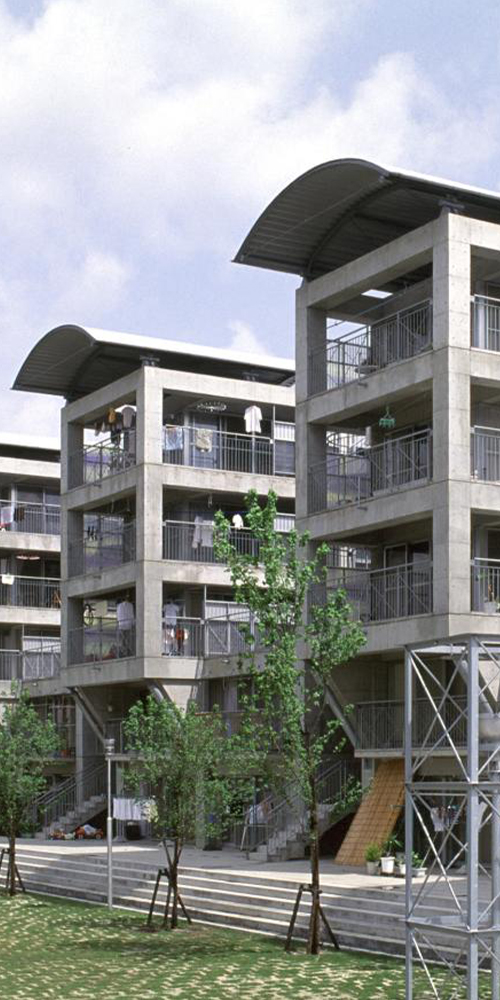
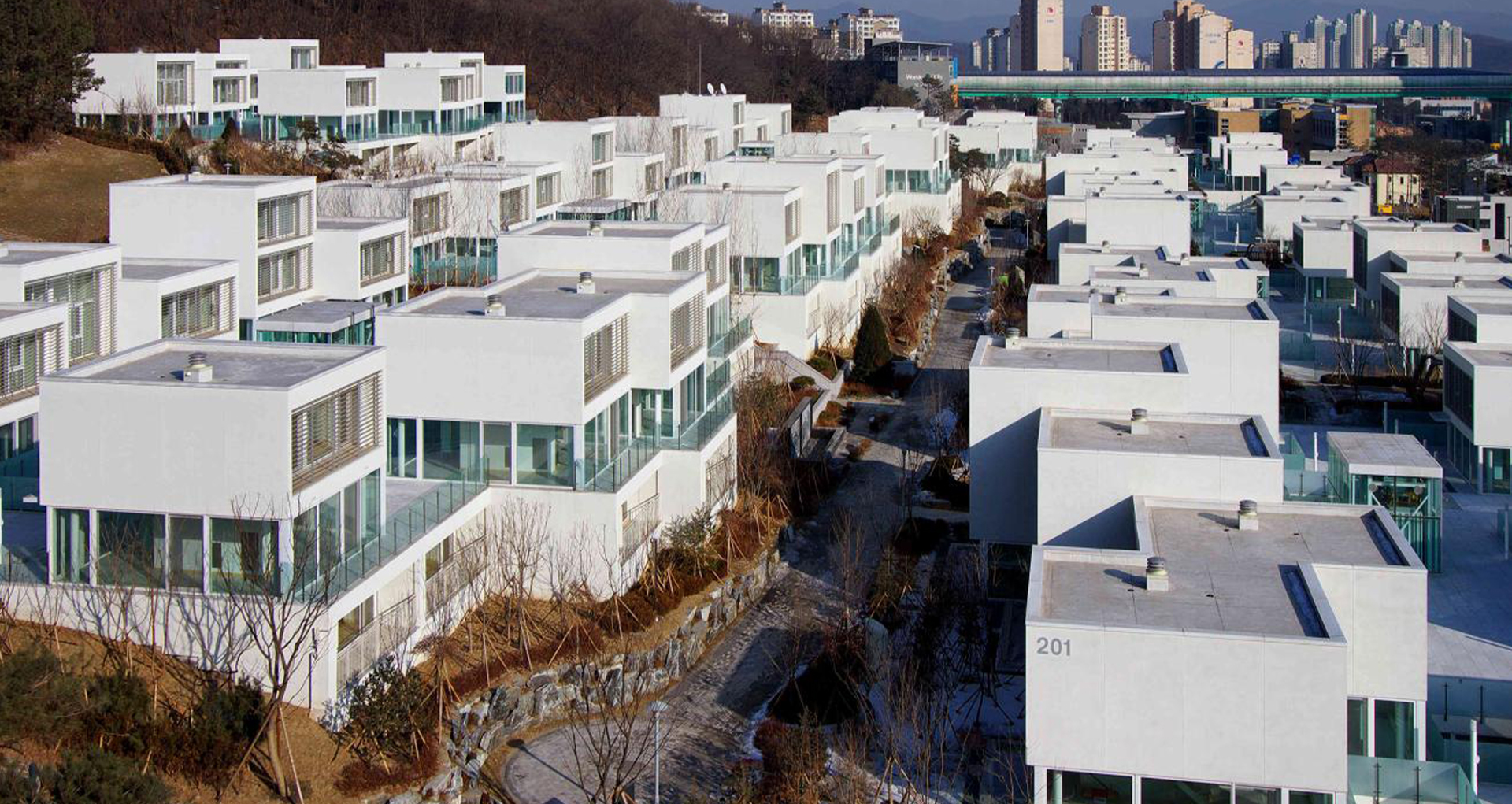
حرفه او پنج دهه را در بر میگیرد و پروژههایش — از خانههای خصوصی تا مسکن عمومی، از مدارس ابتدایی تا ساختمانهای دانشگاهی، از مؤسسات تا فضاهای مدنی و از برنامهریزی شهری — در سراسر ژاپن، جمهوری خلق چین، جمهوری کره و سوئیس واقع شدهاند. از جمله آثار شاخص او میتوان به دانشگاه هنر و طراحی ناگویا زوکهای (ناگویا، ژاپن، ۲۰۲۲)، ساختمان دایره در فرودگاه زوریخ (زوریخ، سوئیس، ۲۰۲۰)، کتابخانه تیانجین (تیانجین، جمهوری خلق چین، ۲۰۱۲)، جیان وای سوهو (پکن، جمهوری خلق چین، ۲۰۰۴)، خانه ایکامز (توسو، ژاپن، ۲۰۰۴)، کانالکورت کودان شینونومه (توکیو، ژاپن، ۲۰۰۳)، دانشگاه آینده هاكوداته (هاکوداته، ژاپن، ۲۰۰۰)، دبیرستان ایوادیاما (اوساکی، ژاپن، ۱۹۹۶) و مسکن هوتاکوبو (کوماموتو، ژاپن، ۱۹۹۱) اشاره کرد.
«یاماموتو یک زبان معماری تازه توسعه میدهد که نهتنها فضاهایی برای زندگی خانوادهها ایجاد میکند، بلکه جوامعی میسازد که خانوادهها بتوانند در کنار هم زندگی کنند»، تام پریتزکر، رئیس بنیاد هایت که حامی این جایزه است، میگوید. «آثار او همواره با جامعه در ارتباطاند، سخاوت روحی را پرورش میدهند و لحظهی انسانی را گرامی میدارند.»
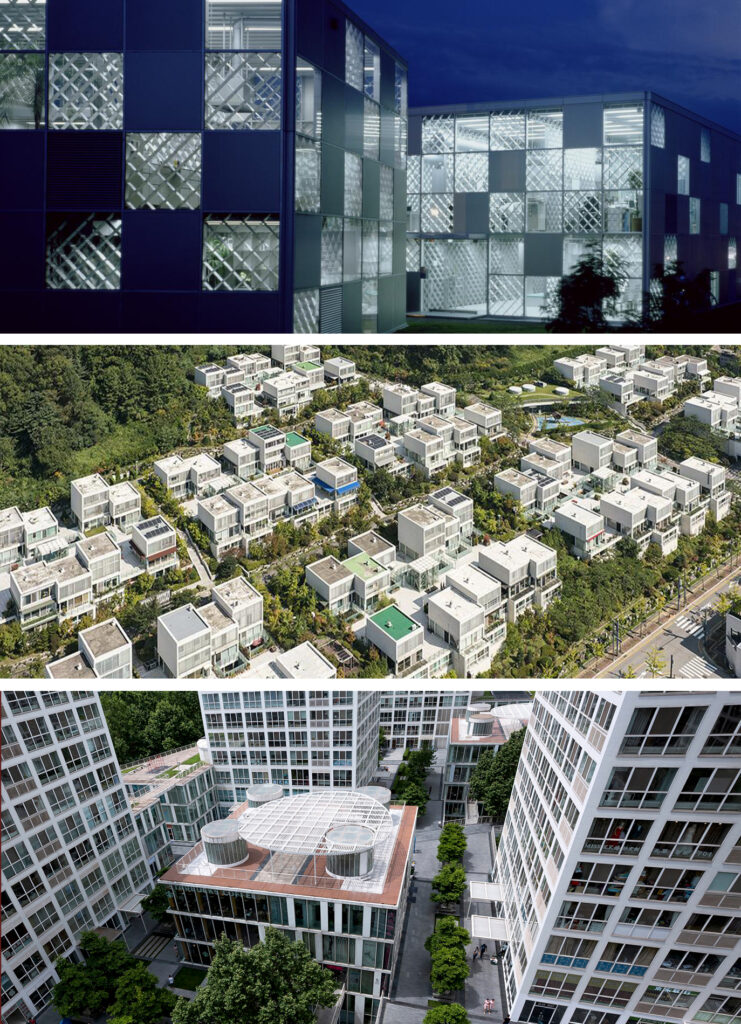
پروژههای بزرگتر مسکن نیز عناصر رابطهمحور را در بر میگیرند و اطمینان حاصل میکنند که حتی ساکنانی که تنها زندگی میکنند، در انزوا به سر نبرند. مسکن پانگیو (سونگنام، جمهوری کره، ۲۰۱۰)، مجموعهای متشکل از ۹ بلوک مسکونی کمارتفاع، با فضاهای شفاف و باز در طبقهی همکف طراحی شده که نسخهی از پیش تعیینشدهای برای استفاده ندارند و ارتباط میان همسایگان را برمیانگیزند. یک عرشهی مشترک در طبقهی دوم، تعامل را تشویق میکند و شامل فضاهایی برای گردهمایی، زمینهای بازی، باغها و پلهایی است که یک بلوک مسکونی را به بلوک دیگر متصل میکند.
بیانیه هیئت داوران
جایزه ی پریتزکر در قدردانی از آن ویژگیهای استعداد، بینش و تعهد اعطا میشود که بهطور مستمر، از طریق هنر معماری، مشارکتهای مهمی در جهت خدمت به بشریت و محیط ساختهشده ایجاد کردهاند. در طول یک حرفهی طولانی، منسجم و سختگیرانه، ریکن یاماموتو توانسته است معماری را هم بهعنوان پسزمینه و هم پیشزمینهی زندگی روزمره خلق کند، مرزهای میان ابعاد عمومی و خصوصی آن را کمرنگ سازد و با استفاده از راهبردهای طراحی دقیق و عقلانی، فرصتهای ملاقات خودجوش میان مردم را چندین برابر کند.
بهعنوان یک معمار جوان که در چین متولد شده و در ژاپن آموزش دیده است، او احساس میکرد که باید تحصیلات خود را با درکی واقعی از «غیرِ خود» کامل کند. او بهطور گسترده سفر کرد، نه (در درجهی اول) برای بازدید از بناهای مشهور، بلکه برای تجربهی مستقیم فرهنگ و زندگی روزمرهی جوامع در دیگر قارهها. از آمریکای شمالی تا جنوبی، از سراسر مدیترانه تا خاورمیانه و آسیا، یاماموتو ریشهها و تاریخ زندگی اجتماعی را بررسی کرده است تا بتواند سهم خود را از طریق معماری در نوسازی شهر معاصر ارائه دهد. برای او، یک ساختمان حتی زمانی که خصوصی است، کارکردی عمومی دارد.
با کیفیت قوی و ثابت ساختمانهایش، او هدف دارد که زندگی افراد از کودکان تا سالمندان و ارتباطات اجتماعی آنان را ارجمند، پربار و غنی سازد. و این کار را از طریق معماریای خودگو، در عین حال متواضع و مرتبط، با صداقت سازهای و مقیاسگذاری دقیق، و با توجهی دقیق به منظر پیرامون انجام میدهد.
معماری او باورهایش را بهروشنی از طریق ساختار مدولار و سادگی فرم بیان میکند. با این حال، این معماری فعالیتها را دیکته نمیکند، بلکه به مردم امکان میدهد تا زندگی خود را درون ساختمانهای او با ظرافت، عادی بودن، شعرگونگی و شادی شکل دهند.
ریکن یاماموتو بهطور آگاهانه در گستردهترین دامنهی انواع ساختمانها و مقیاسها در پروژههایی که انتخاب میکند فعالیت میکند. چه خانهی خصوصی طراحی کند یا زیرساخت عمومی، مدرسه یا ایستگاه آتشنشانی، تالار شهر یا موزه، بُعد مشترک و صمیمانه همیشه حضور دارد. توجه همیشگی، دقیق و بنیادین او به جامعه، فضاهای عمومی درهمتنیدهای ایجاد کرده است که مردم را ترغیب میکند به شیوههای گوناگون گرد هم آیند. برای مثال، کل فضای ساختمانی دانشگاه استانی سایتاما (۱۹۹۹) بهعنوان یک جامعه در نظر گرفته شده است.
ریکن یاماموتو یک تاریخنگار معماری نیست، اما هم از گذشته و هم از فرهنگهای مختلف میآموزد. او بهعنوان یک معمار، از گذشته کپی نمیکند، بلکه آن را تطبیق میدهد، دوباره بهکار میگیرد و گسترش میدهد، و نشان میدهد که اصول بنیادین همچنان از نظر ارتباط و اهمیت پابرجا هستند. یاماموتو جعبهابزار این حرفه را هم به سوی گذشته و هم به سوی آینده توسعه داده است تا بتواند هر بار، در شیوهها و مقیاسهای بسیار متفاوت، مرتبطترین پاسخ را به چالشهای محیط ساختهشده و زندگی جمعی ارائه دهد.
برای ایجاد آگاهی در جامعه درباره آنچه مسئولیتِ مطالبه اجتماعی است، برای به چالش کشیدن رشته معماری بهمنظور تنظیم هر پاسخ معماری بهصورت فردی، و مهمتر از همه، برای یادآوری این نکته که در معماری، همانند دموکراسی، فضاها باید با اراده مردم ساخته شوند، ریکن یاماموتو بهعنوان برنده جایزه پریتزکر ۲۰۲۴ معرفی میشود.
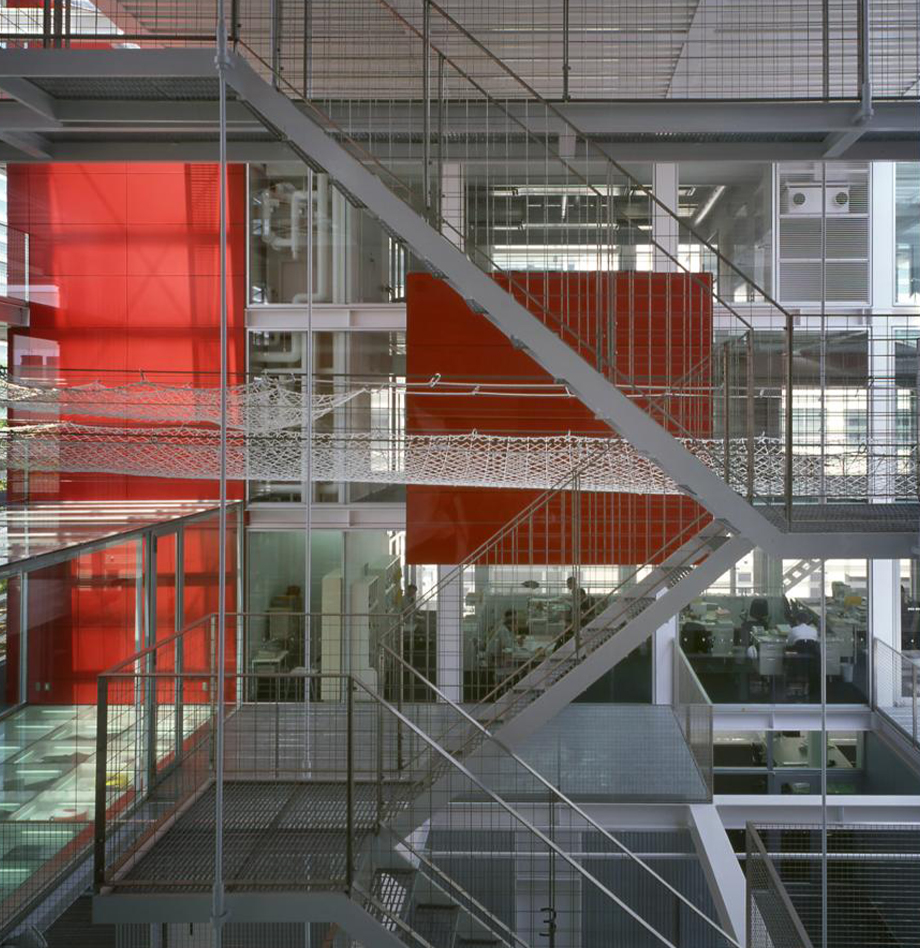
یاماموتو این بُعد مشترک را نه با تحمیل، بلکه با مداخلات معماری ظریف و در عین حال دقیق پیشنهاد میدهد. با گنجاندن فضاهایی برای فعالیتهای مشترک در داخل، علاوه بر، و حتی فارغ از کارکرد اصلی ساختمانهایش، این امکان را فراهم میکند که آنها با زندگی روزمرهی جامعه ادغام شوند، بهجای اینکه فقط در شرایط استثنایی تجربه شوند. دو بخش برای همکاری دانشجویان و پژوهشگران در دانشگاه آینده، هاکوداته (۲۰۰۰)، یا نمای شیشهای شفاف با لوورهایی که عملکرد داخلی بخش را در ایستگاه آتشنشانی هیروشیما (۲۰۰۰) آشکار میکند، هر دو نمونهای از باور او به مفهوم شفافیت بهعنوان بازتابی از کارکرد و دسترسیپذیری فضا برای کاربران و بازدیدکنندگان هستند.
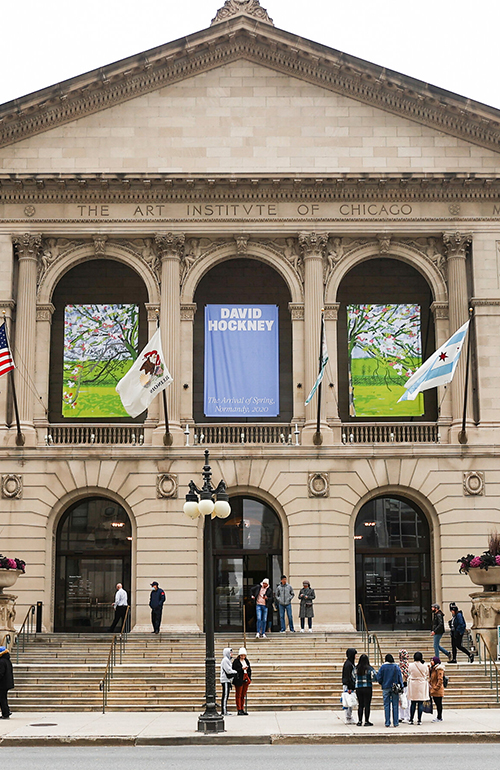
محل برگزاری مراسم، مؤسسه هنر شیکاگو
مؤسسه هنر شیکاگو که در پی آتشسوزی بزرگ شیکاگو تأسیس شد، در سال ۱۸۹۳ مکان کنونی خود را افتتاح کرد که در قلب پارک میلنیوم قرار دارد. ساختمان بوز آرت آن توسط شرکت Shepley, Rutan & Coolidge طراحی شد و از آن زمان تاکنون هشت بار توسعه عمده یافته است که جدیدترین آن ایجاد بخش مدرن (Modern Wing) بود، طراحیشده توسط رنزو پیانو، برنده جایزه پریتزکر سال ۱۹۹۸، و دفتر معماری او Renzo Piano Building Workshop. مجموعه دائمی این مؤسسه در حال حاضر بیش از ۳۰۰٬۰۰۰ اثر هنری را شامل میشود که از برنزهای چینی تا طراحی معاصر و از منسوجات تا هنر چیدمان را در بر میگیرد.
برندگان پیشین جایزه معماری پریتزکر که در مؤسسه هنر شیکاگو نیز مورد تقدیر قرار گرفتهاند شامل کوین روش، برنده سال ۱۹۸۲، در تالار معاملات بورس موزه (Stock Exchange Trading Room)، یعنی ساختمان بازسازیشده و حفظشده بورس شیکاگو که در اصل توسط لوئیس سالیوان و دانکمار آدلر (۱۸۹۳/۱۸۹۴) طراحی شده بود، و گوردون بانشفت، برنده سال ۱۹۸۸، میباشند.
ویدیوهای یوتیوب
ویدیوهای یوتیوب
معرفی معماری که موفق به دریافت جایزه پریتزکر در سال ۲۰۲4 شده است
Riken Yamamoto
This translation was carried out by MohammadAmin Zahirnia, undergraduate student of Architecture
(English)
Biography
Japanese architect Riken Yamamoto (b. 1945) was born in Beijing, People’s Republic of China and relocated to Yokohama, Japan shortly after the end of World War II. Negotiating a balance between public and private dimensions from childhood, he lived in a home that was modeled after a traditional Japanese machiya, with his mother’s pharmacy in the front and their living area in the rear. “The threshold on one side was for family, and on the other side for community. I sat in between.”
Yamamoto knew little about his father, who had passed away when the architect was only five years old. In some ways, he sought to emulate his father’s career as an engineer, but instead forged his own path into architecture. At age 17, he visited Kôfuku-ji Temple, in Nara, Japan, originally built in 730 and finally reconstructed in 1426, and was captivated by the Five-storied Pagoda symbolizing the five Buddhist elements of earth, water, fire, air and space. “It was very dark, but I could see the wooden tower illuminated by the light of the moon and what I found at that moment was my first experience with architecture.”
He graduated from Nihon University, Department of Architecture, College of Science and Technology in 1968 and received a Master of Arts in Architecture from Tokyo University of the Arts, Faculty of Architecture in 1971. He founded his practice, Riken Yamamoto & Field Shop in 1973.
Transparency, in form, material and philosophy remained an essential element in his works. He established an urban planning approach that demonstrated evolution as a vital property in the development of Ryokuen-toshi, Inter-Junction City (Yokohama, Japan 1994). Regardless of a building’s identity or function, a regulation constitutes that all must allow passage through its site, cohering adjacent plots and unifying neighboring landowners. He continued to prompt societies in large buildings by adapting his architectural language to projects such as Saitama Prefectural University (Koshigaya, Japan 1999), and Tianjin Library (Tianjin, Republic of China 2012), attesting to his mastery of scale.
His work grew more prolific, ranging from private residences to public housing, elementary schools to university buildings, and institutions to civic spaces, when natural disaster devastated Japan in 2011. In the aftermath of Tōhoku Earthquake and Tsunami, he established Local Area Republic Labo, an institute dedicated to community activities through architectural design; and instituted the Local Republic Award in 2018 to honor young architects who act with courage and ideals towards the future.
Yamamoto is a newly appointed visiting professor at Kanagawa University (Yokohama, Japan). He was a visiting professor at Tokyo University of the Arts (Tokyo, Japan 2022-2024) and has previously taught at Nihon University, Graduate School of Engineering (Tokyo, Japan 2011-2013); Yokohama National University, Graduate School of Architecture (Yokohama, Japan 2007-2011); Kogakuin University, Department of Architecture (Tokyo, Japan 2002-2007); and served as the President of Nagoya Zokei University of Art and Design (Nagoya, Japan 2018-2022).
During the earliest years of his career, the architect spontaneously journeyed across countries and continents by car with his mentor, Hiroshi Hara, spending months at a time in pursuit of understanding communities, cultures and civilizations. In 1972, he drove along the coastline of the Mediterranean Sea, visiting France, Spain, Morocco, Algeria, Tunisia, Italy, Greece and Türkiye.
Two years later, he traveled from Los Angeles to Mexico, Guatemala, Costa Rica and Colombia before reaching Peru. He would also embark on a similar expedition to Iraq, India and Nepal, and concluded that the idea of a “threshold” between public and private spaces was universal. “I recognize the past system of architecture is so that we can find our culture…The villages were different in their appearance, but their worlds [were] very similar.”
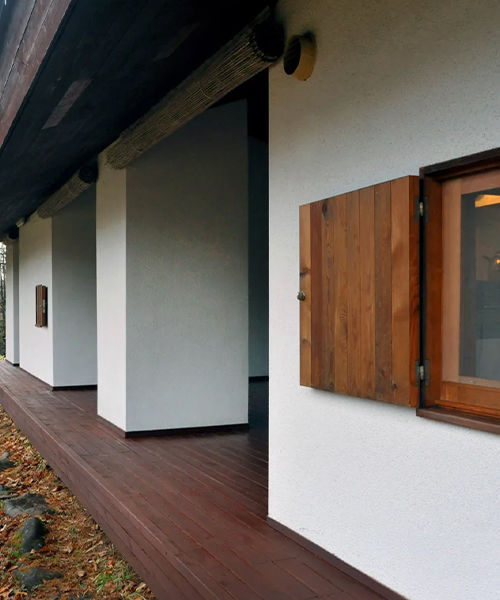
Yamamoto reconsidered boundaries between public and private realms as societal opportunities, committing to the belief that all spaces may enrich and serve the consideration of an entire community, and not just those who occupy them. With this in mind, he began designing single-family residences that united natural and built environments, welcoming to both guests and passersby. His first project, Yamakawa Villa (Nagano, Japan 1977), is exposed on all sides and situated in the woods, designed to feel entirely like an open-air terrace.
The experience significantly influenced his future works as he extended into social housing with Hotakubo Housing (Kumamoto, Japan 1991), bridging cultures and generations through relational living.
He was appointed Academician by the International Academy of Architecture (2013) and has received numerous distinctions throughout his career including the Japan Institute of Architects Award for the Yokosuka Museum of Art (2010), Public Buildings Prize (2004 and 2006), Good Design Gold Award (2004 and 2005), Prize of the Architectural Institute of Japan (1988 and 2002), Japan Arts Academy Award (2001), and Mainichi Art Awards (1998).
Yamamoto continues to practice and reside in Yokohama, in community with his neighbors. His built works can be found throughout Japan, People’s Republic of China, Republic of Korea and Switzerland.
Announcement
Chicago, IL (March 5, 2024) – The Pritzker Architecture Prize announces Riken Yamamoto, of Yokohama, Japan, as the 2024 Laureate of the Pritzker Architecture Prize, the award that is regarded internationally as architecture’s highest honor.
Yamamoto, architect and social advocate, establishes kinship between public and private realms, inspiring harmonious societies despite a diversity of identities, economies, politics, infrastructures, and housing systems. Deeply embedded in upholding community life, he asserts that the value of privacy has become an urban sensibility, when in fact, members of a community should sustain one another. He defines community as a “sense of sharing one space,” deconstructing traditional notions of freedom and privacy while rejecting longstanding conditions that have reduced housing into a commodity without relation to neighbors. Instead, he bridges cultures, histories and multi-generational citizens, with sensitivity, by adapting international influence and modernist architecture to the needs of the future, allowing life to thrive.
“For me, to recognize space, is to recognize an entire community,” Yamamoto expresses. “The current architectural approach emphasizes privacy, negating the necessity of societal relationships. However, we can still honor the freedom of each individual while living together in architectural space as a republic, fostering harmony across cultures and phases of life.”
The 2024 Jury Citation states, in part, that he was selected “for creating awareness in the community in what is the responsibility of the social demand, for questioning the discipline of architecture to calibrate each individual architectural response, and above all for reminding us that in architecture, as in democracy, spaces must be created by the resolve of the people…”
By reconsidering boundary as a space, he activates the threshold between public and private lives, achieving social value with every project, as each abounds with places for engagement and chance encounters. Small- and large-scale built works alike demonstrate masterly qualities of the spaces themselves, providing focus on the life that each one frames. Transparency is utilized so that those from within may experience the environment that lies beyond, while those passing by may feel a sense of belonging. He offers a consistent continuity of landscape, designing in discourse to the preexisting natural and built environments to contextualize the experience of each building.
He has evolved influences from traditional Japanese machiya and Greek oikos housing that existed in relationship to cities, when connectivity and commerce were essential to the vitality of every family. He designed his own home, GAZEBO (Yokohama, Japan 1986) to invoke interaction with neighbors from terraces and rooftops. Ishii House (Kawasaki, Japan 1978), built for two artists, features a pavilion-like room, that extends outdoors and serves as a stage to host performances, while living quarters are embedded beneath.
He considers the user experience first, designing Yokosuka Museum of Art (Yokosuka, Japan 2006) as both a destination for travelers and a daily reprieve for locals. While the inviting serpentine entrance evokes the surrounding Tokyo Bay and nearby mountains, many of the galleries are underground, providing those who approach with a clear, undisturbed visual experience of the natural geography. Visitors may view through to the landscape and other galleries from round cutouts in all common spaces, uniting these otherwise distinctive environments so that those inside are impressed upon not only by the artwork, but by the activity of others in the spaces alongside them.
His career has spanned five decades and his projects, ranging from private residences to public housing, elementary schools to university buildings, institutions to civic spaces, and city planning, are located throughout Japan, People’s Republic of China, Republic of Korea and Switzerland. Significant built works also include Nagoya Zokei University (Nagoya, Japan, 2022), THE CIRCLE at Zürich Airport (Zürich, Switzerland, 2020), Tianjin Library (Tianjin, People’s Republic of China, 2012), Jian Wai SOHO (Beijing, People’s Republic of China, 2004), Ecoms House (Tosu, Japan, 2004), Shinonome Canal Court CODAN (Tokyo, Japan, 2003), Future University Hakodate (Hakodate, Japan, 2000), Iwadeyama Junior High School (Ōsaki, Japan, 1996) and Hotakubo Housing (Kumamoto, Japan, 1991).
Yamamoto is the 53rd Laureate of the Pritzker Architecture Prize and the ninth to hail from Japan. He was born in Beijing, People’s Republic of China, and resides in Yokohama, Japan. He will be honored in Chicago, Illinois, United States of America this spring and the 2024 Laureate Lecture will be held at S. R. Crown Hall, Illinois Institute of Technology, in partnership with the Chicago Architecture Center, on May 16th, open to the public in-person and online.
“Yamamoto develops a new architectural language that doesn’t merely create spaces for families to live, but creates communities for families to live together,” says Tom Pritzker, Chair of the Hyatt Foundation, which sponsors the award. “His works are always connected to society, cultivating a generosity in spirit and honoring the human moment.”
Larger housing projects also embody relational elements, assuring that even residents who live alone don’t dwell in isolation. Pangyo Housing (Seongnam, Republic of Korea 2010), a complex of nine low-rise housing blocks is designed with nonprescriptive transparent ground floor volumes that catalyze interconnectedness between neighbors. A communal deck across the second floor encourages interaction, featuring spaces for gathering, playgrounds, gardens and bridges that connect one housing block to another.
Jury Citation
The Pritzker Prize is conferred in acknowledgment of those qualities of talent, vision and commitment, which have persistently produced significant contributions to humanity and the built environment through the art of architecture. In his long, coherent, rigorous career, Riken Yamamoto has managed to produce architecture both as background and foreground to everyday life, blurring boundaries between its public and private dimensions, and multiplying opportunities for people to meet spontaneously, through precise, rational design strategies.
As a young architect born in China and trained in Japan, he felt the urgency to complete his own education with a real understanding of the ‘other than the self.’ He extensively travelled not (primarily) to visit renowned monuments, but rather to experience at first hand the culture and everyday life of communities on other continents. From North to South America, across the Mediterranean to the Middle East and Asia, Yamamoto has investigated the roots and history of community life that he might bring his own contribution to the modernization of the contemporary city through architecture. For him a building has a public function even when it is private.
By the strong, consistent quality of his buildings, he aims to dignify, enhance and enrich the life of individuals—from children to elders—and their social connections. And he does this through a self-explanatory yet modest and pertinent architecture, with structural honesty and precise scaling, with careful attention to the landscape of the surroundings.
His architecture clearly expresses his beliefs through the modular structure and the simplicity of its form. Yet, it does not dictate activities, rather it enables people to shape their own lives within his buildings with elegance, normality, poetry and joy.
Riken Yamamoto deliberately engages with the widest range of building types as well as scales in the projects he chooses. Whether he designs private houses or public infrastructure, schools or fire stations, city halls or museums, the common and convivial dimension is always present. His constant, careful and substantial attention to community has generated public interworking space systems that incentivize people to convene in different ways. The entire building space of the Saitama Prefectural University (1999), for instance, is conceived as a community.
Riken Yamamoto is not an architecture historian, yet he learns from the past as well as from different cultures. As an architect, he does not copy from the past, rather he adapts, re-uses and evolves, showing that fundamentals persist in their relevance. Yamamoto has expanded the toolbox of the profession towards both the past and the future to be able to give each time, in very different modes and at very different scales, the most pertinent response to the challenges of both the built environment and of collective living.
For creating awareness in the community in what is the responsibility of the social demand, for questioning the discipline of architecture to calibrate each individual architectural response, and above all for reminding us that in architecture, as in democracy, spaces must be created by the resolve of the people, Riken Yamamoto is named the 2024 Pritzker Prize Laureate.
Yamamoto suggests rather than imposes this shared dimension through understated, yet precise architectural interventions. By including spaces for common activities within, in addition to and even regardless of the main function of his buildings, he allows these to integrate into the quotidian life of the community, instead of being only experienced in exceptional circumstances. The two departments for the students and researchers to work together in the Future University, Hakodate (2000), or the transparent louvred glass façade to expose the inner workings of the department in the Hiroshima Fire Station (2000) both exemplify his belief in the concept of transparency as a reflection of the functionality and accessibility of the space for users and viewers alike.
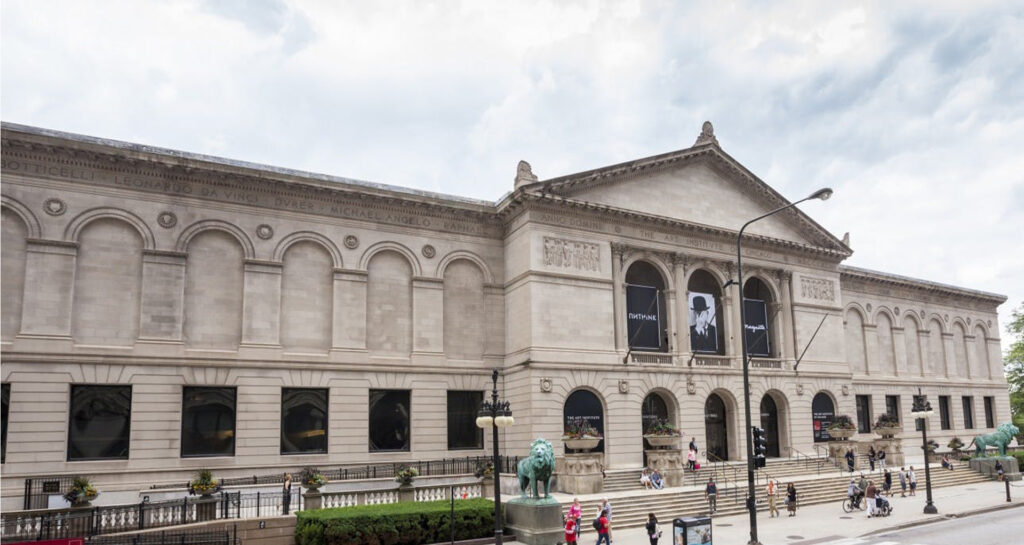
Ceremony Venue, The Art Institute of Chicago
Founded in the aftermath of the Great Chicago Fire, the Art Institute of Chicago opened its current location in 1893, situated in what has become the heart of Millennium Park. The Beaux Arts building was designed by Shepley, Rutan & Coolidge and has since evolved through eight major expansions, the latest of which established the Modern Wing, designed by Renzo Piano, 1998 Pritzker Prize Laureate, and his practice, Renzo Piano Building Workshop. The permanent collection presently includes over 300,000 works of art in fields ranging from Chinese bronzes to contemporary design and from textiles to installation art.
Past Pritzker Prize Laureates who have also been honored at the Art Institute of Chicago are the late Kevin Roche, 1982 Laureate, in the museum’s Stock Exchange Trading Room, the preserved and reconstructed Chicago Stock Exchange, originally designed by Louis Sullivan and Dankmar Adler (1893/1894); and the late Gordon Bunshaft,1988 Laureate.
The site is recognized today as the former homelands of the Council of Three Fires: Ojibwe, Odawa and Potawatomi Nations.
sources
This translation was carried out by MohammadAmin Zahirnia, undergraduate student of Architecture
Textual sources